DLP

Data Loss Prevention (DLP) is the practice of detecting and preventing data breaches, exfiltration, or unwanted destruction of sensitive data. Organizations use DLP to protect and secure their data and comply with regulations.
The DLP term refers to defending organizations against both data loss and data leakage prevention. Data loss refers to an event in which important data is lost to the enterprise, such as in a ransomware attack. Data loss prevention focuses on preventing illicit transfer of data outside organizational boundaries.
Organizations typically use DLP to:
- Protect Personally Identifiable Information (PII) and comply with relevant regulations
- Protect Intellectual Property critical for the organization
- Achieve data visibility in large organizations
- Secure mobile workforce and enforce security in Bring Your Own Device (BYOD) environments
- Secure data on remote cloud systems
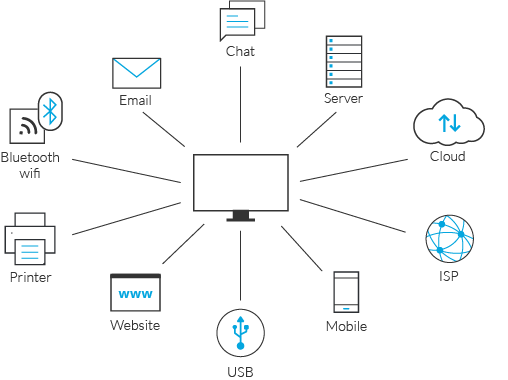
Causes of Data Leaks
Three common causes of data leaks are:
- Insider threats — a malicious insider, or an attacker who has compromised a privileged user account, abuses their permissions and attempts to move data outside the organization.
- Extrusion by attackers — many cyber attacks have sensitive data as their target. Attackers penetrate the security perimeter using techniques like phishing, malware or code injection, and gain access to sensitive data.
- Unintentional or negligent data exposure — many data leaks occur as a result of employees who lose sensitive data in public, provide open Internet access to data, or fail to restrict access per organizational policies.
Data Leakage Prevention
You can use standard security tools to defend against data loss and leakage. For example, an Intrusion Detection System (IDS) can alert about attacker attempts to access to sensitive data. Antivirus software can prevent attackers from compromising sensitive systems. A firewall can block access from any unauthorized party to systems storing sensitive data.
If you are part of a large organization, you might turn to designated DLP tools or solutions to safeguard your data. You can also use tooling in the Security Operations Center (SOC) to assist with DLP. For example, you can use a Security Information and Event (SIEM) system to detect and correlate events which might constitute a data leak.
